Sumário do Conteúdo
- Why Knowing the English Months Matters in Daily Life
- From January to December: The Complete List in English
- Avoiding Common Mistakes with the English Month Names
- How to Practice and Remember the English Months Effectively
- Connecting Months with Seasons and Cultural Events
- From Basic Recall to Confident Use in Conversations
Learning the nome dos meses em inglês is a simple but powerful step for anyone who wants to express dates, schedules, and personal milestones fluently in English.
Why Knowing the English Months Matters in Daily Life
When you master the nome dos meses em inglês, you remove one of the most common barriers to confident communication. Whether you are booking a flight, confirming a meeting, or filling out an international form, using the correct month names shows that you understand the language at a practical level. Each month carries its own cultural and seasonal associations, so using the right nome dos meses em inglês helps you connect with people from different backgrounds and avoid confusing conversations.
In professional settings, precision is everything, and that starts with getting the nome dos meses em inglês exactly right. Imagine telling a client that a report is due in "Junho" instead of "June" during an international call; the small slip can undermine your credibility. By consistently using the English names, you demonstrate reliability and attention to detail. Everyday situations like planning travel, tracking deadlines, or comparing weather patterns across countries become much easier once you can recall the nome dos meses em inglês without hesitation.
From January to December: The Complete List in English
The journey to mastering the nome dos meses em inglês begins with January, the first month of the year, often associated with new beginnings, resolutions, and cold winter days in many regions. As you move through the list, you will notice how each name carries a little history, whether it comes from Roman gods, emperors, or simple numbering, and this background can make it easier to remember the nome dos meses em inglês in the long term.
- January
- February
- March
- April
- May
- June
- July
- August
- September
- October
- November
- December
To truly lock the nome dos meses em inglês into your memory, try linking each name to a personal event, such as a birthday, holiday, or vacation. For example, you might associate March with spring breaks, July with summer holidays, or December with festive celebrations. These mental hooks turn abstract words into vivid memories, so you never have to pause and wonder whether it is "Maio" or "May" when you are speaking or writing.
Avoiding Common Mistakes with the English Month Names
Even when learners know the nome dos meses em inglês, they sometimes fall into the trap of applying the pronunciation rules of their native language, which can lead to misunderstandings. In English, the stress patterns are different, and some letters are silent, so "February" often loses its first 'r' sound in casual speech, while "December" may be shortened in rapid conversation. Paying attention to these subtle details ensures that your nome dos meses em inglês sounds natural to native speakers.
Another frequent issue is confusion between months that look similar in different languages, such as "May" and "Maio" or "July" and "Julho", which can cause mix-ups in written messages or forms. The best strategy is to practice spelling and saying all twelve names regularly, focusing on the unique letters and sounds that set the nome dos meses em inglês apart. Over time, this practice will make your English dates feel as automatic as your native ones.
How to Practice and Remember the English Months Effectively
Repetition is key when learning the nome dos meses em inglês, and modern study tools make it easier than ever to fit practice into your daily routine. You can use flashcards, language apps, or simple calendar exercises where you label each month in English and add personal reminders. The goal is to see and say the names so often that recalling them feels effortless, whether you are speaking casually or writing a formal email.
Listening to English media, such as podcasts, songs, or news broadcasts, also strengthens your familiarity with the nome dos meses em inglês in real contexts. When you hear phrases like "in late November" or "this month is July", your brain starts to connect the sounds with their meanings automatically. Combine this exposure with active practice, and you will find that months in English become a natural part of your vocabulary instead of a memorized list.
Connecting Months with Seasons and Cultural Events
Understanding the nome dos meses em inglês becomes much more interesting when you link each month to its typical seasons and cultural moments around the world. For instance, while January is often cold in the Northern Hemisphere, it is summer in parts of the Southern Hemisphere, and this contrast can help you remember the order and meaning of the names. Thinking about holidays, festivals, and weather patterns attached to each month also makes the language feel more alive and relevant to your goals.
Many learners find it helpful to create visual calendars where they write the nome dos meses em inglês alongside local events, such as back-to-school seasons, holidays, or sports tournaments. This approach not only reinforces the spelling and pronunciation but also shows how the language is used in everyday planning and storytelling. When you talk about what you did last December or what you hope to achieve next April, you are practicing real communication rather than isolated words.
Vídeos Relacionados
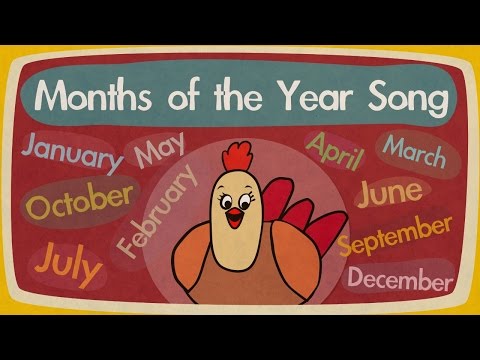
Meses do ano | Canções inglesas para crianças
The Singing Walrus apresenta "Meses do Ano" - uma canção de Inglês para crianças. Venha aprender os meses do ano em Inglês ...
From Basic Recall to Confident Use in Conversations
Once you can recite the nome dos meses em inglês in order, the next challenge is using them smoothly in conversation and writing. Start by describing your recent past, such as "I traveled in March", or your upcoming plans, like "We will meet in October", to build confidence with the structures that surround the month names. These simple sentences gradually expand into more complex stories about your life, work, and ambitions, all while reinforcing your grasp of English tenses and prepositions.
As you progress, try mixing the months with other time-related phrases, such as seasons, dates, and years, to sound more natural and fluent. Instead of only saying "July", you can say "in the middle of July" or "the July conference", which helps you understand how the nome dos meses em inglês interacts with the rest of the language. With consistent practice, talking about when things happen will feel as easy as talking about what happened.
Mastering the nome dos meses em inglês is more than a language exercise; it is a practical skill that supports your everyday communication, professional growth, and cultural understanding. By learning the names, avoiding common pitfalls, and connecting them to real-life situations, you transform a simple list into a powerful tool for expressing time and planning your future.
Keep exploring, practicing, and revisiting the months in context, and you will discover that dates, deadlines, and celebrations start to flow naturally in English, giving you more confidence in every conversation.
