Sumário do Conteúdo
The Head, Face, and Neck
The head contains many of the body’s most recognizable partes do corpo humano em inglês, starting with the skull, which protects the brain. The face includes the forehead, eyes, nose, cheeks, mouth, lips, chin, and ears, each contributing to expression, senses, and communication. The neck, or neck, connects the head to the torso and allows movement while housing important structures such as the throat and voice box.
When describing issues in this area, you might refer to the temple, eyelid, eyebrow, earlobe, or jaw, which are all useful terms for both daily conversation and professional settings. Remember that some words, such as mandible or maxilla, are more clinical, while others like nose or ear are part of everyday vocabulary. Practicing these terms while looking in a mirror can reinforce the connection between form and function.
The Torso and Core Organs
The torso, also called the trunk, houses many of the vital partes do corpo humano em inglês and includes the chest, abdomen, and back. The chest contains the rib cage, which protects the heart and lungs, while the abdomen holds the stomach, intestines, liver, and other digestive organs. The back supports the spine and provides attachment points for muscles that allow posture and movement.
Learning the difference between the upper torso and the lower torso helps you communicate more precisely about pain or medical history. Terms like abdomen, pelvis, and midsection are common in both casual descriptions and clinical contexts. Strengthening your awareness of these partes do corpo humano em inglês through simple labeling exercises can improve memory and confidence when discussing health topics.
The Upper Limbs and Hands
The upper limbs include the shoulders, arms, elbows, forearms, wrists, and hands, all of which enable a wide range of motion and fine motor skills. Each part has specific names in English, such as deltoid for the shoulder, biceps and triceps for the upper arm muscles, and phalanges for the fingers. The wrist connects the hand to the forearm, while the palm is the central area of the hand.
When describing an injury or exercise routine, being precise about whether you mean the wrist, knuckles, or fingertips matters. You might also refer to the back of the hand or the palm side when explaining symptoms or techniques. Familiarizing yourself with these partes do corpo humano em inglês not only aids in health communication but also enriches your understanding of sports, arts, and daily activities.
The Lower Limbs and Feet
The lower limbs support the body’s weight and include the hips, thighs, knees, legs, ankles, and feet. The hip joint allows for a wide range of movement, while the thigh contains powerful muscles such as the quadriceps and hamstrings. The knee is a complex joint that connects the thigh to the lower leg, and the ankle provides flexibility between the foot and the leg.
Each part of the foot, including the heel, arch, ball, and toes, plays a role in balance and mobility. Using accurate terms for these partes do corpo humano em inglês is helpful in fitness, rehabilitation, and travel contexts. Paying attention to how these parts work together can also improve your posture and reduce strain during daily routines.
Internal Systems and Organ Names
Beyond visible partes do corpo humano em inglês, understanding major internal systems enhances your anatomical vocabulary. The respiratory system includes the lungs and trachea, the digestive system involves the stomach and intestines, and the circulatory system centers on the heart and blood vessels. The nervous system, with the brain and spinal cord, coordinates activity throughout the body.
While you may not need to name every organ in casual conversation, recognizing terms like liver, kidney, or pancreas can be valuable in medical or academic settings. Linking these internal partes do corpo humano em inglês with their functions through diagrams or flashcards strengthens long-term retention and improves overall comprehension of how the body works.
Vídeos Relacionados
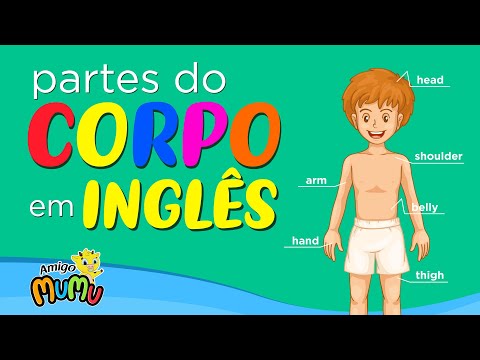
Partes do Corpo Humano em Inglês | Partes do Corpo em Inglês
Partes do Corpo Humano em Inglês | Partes do Corpo em Inglês Aprenda as partes do corpo humano em inglês, aprender inglês ...
Common Variations and Useful Phrases
English offers both formal and informal ways to refer to partes do corpo humano em inglês, and context often determines which term is most appropriate. For example, you might say leg in everyday speech but use thigh and calf when describing specific muscles. Idiomatic expressions like under one’s belt or get something off one’s chest rely on body part metaphors, so recognizing these can improve both comprehension and expression.
Learning phrases such as chest pain, headache, or sore throat helps you describe symptoms clearly, while terms like back pain or joint stiffness are useful in fitness and wellness discussions. By practicing these variations, you build a flexible vocabulary that covers both precise anatomical references and natural spoken English.
In summary, mastering the partes do corpo humano em inglês involves learning the names of external features, understanding major internal structures, and becoming familiar with common expressions. Consistent practice, visual reinforcement, and contextual usage will deepen your knowledge and boost your confidence in both everyday and professional English. With this foundation, you can communicate more accurately about health, movement, and anatomy in any situation.