Sumário do Conteúdo
- January: The Start of a New Calendar Year
- February: Love, History, and Short Winter Days
- March: Transition from Winter to Spring
- April: Showers, Flowers, and Renewal
- May: Blossoms and Warmth
- June: Summer Begins
- July: Heat, Independence, and Celebration
- August: The Height of Summer
- September: Back to Routine
- October: Crisp Air and Festivities
- November: Gratitude and Reflection
- December: Festive Lights and New Hopes
Looking at the phrase todos os mes em ingles, it makes sense to explore each month in English to improve your vocabulary and cultural awareness.
January: The Start of a New Calendar Year
January is the first month of the year and often represents new beginnings, resolutions, and cold weather in many parts of the world. In English, this month is named after Janus, the Roman god of doors and transitions, which reflects its position as a threshold between the old and the new. People often set goals during this time, focusing on health, career, or personal growth, making it a powerful month for fresh starts.
Understanding how to say January in everyday conversations can help you discuss plans, birthdays, or historical events with greater confidence. It is also a common reference point for timelines, financial reports, and seasonal activities. By learning its pronunciation and usage, you strengthen your ability to talk about annual cycles and long-term projects in English.
February: Love, History, and Short Winter Days
February is the second month and usually the shortest in the Gregorian calendar, known for Valentine’s Day, Presidents’ Day, and sometimes leap year adjustments. This month highlights themes of love, reflection, and perseverance during the tail end of winter. In many cultures, it serves as a reminder of historical events and romantic traditions that have evolved over centuries.
When you describe events happening in February, you practice using prepositions of time and discussing specific dates with accuracy. Whether you are talking about holidays, weather patterns, or personal milestones, mastering this month helps you build more detailed narratives. It also introduces useful vocabulary related to emotions, ceremonies, and seasonal changes.
March: Transition from Winter to Spring
March marks the transition from winter to spring in the Northern Hemisphere and is named after Mars, the Roman god of war. The weather becomes more unpredictable, with “in like a lion, out like a lamb” describing its shifting storms and eventual calm. This month often symbolizes change, growth, and renewal in both nature and human activity.
Using March in sentences helps you practice future and past tenses when discussing seasonal shifts, holidays, or school schedules. It is a useful example when explaining how months connect to agriculture, festivals, and natural phenomena. As you expand your vocabulary, referring to March strengthens your grasp of time-related expressions and environmental vocabulary.
April: Showers, Flowers, and Renewal
April is commonly associated with spring showers that help flowers bloom, making it a symbol of renewal and growth in many temperate regions. The name may derive from the Greek goddess Aphrodite or the Latin word for “to open,” referring to plants opening their buds. This month often brings a sense of freshness and optimism after the long winter.
Talking about April in English allows you to explore idioms about patience and growth, such as “April showers bring May flowers.” You can also discuss tax deadlines, Easter celebrations, or environmental topics with more fluency. Practicing this month’s vocabulary enriches your ability to describe cycles of change and natural beauty.
May: Blossoms and Warmth
May is a vibrant month filled with blooming flowers, mild temperatures, and celebrations of labor and motherhood in many countries. It represents the peak of spring in the Northern Hemisphere and is often linked with themes of gratitude, nature, and community. The name may come from the Greek goddess Maia, who represents growth and fertility.
Describing events in May helps you use adjectives related to color, temperature, and emotion, improving your overall fluency. You can talk about traditions such as May Day, Memorial Day, or environmental awareness campaigns. Mastering this month gives you more tools to discuss seasonal activities and cultural customs.
June: Summer Begins
June signals the start of summer in the Northern Hemisphere, bringing longer days, school holidays, and a sense of freedom and adventure. It is named after Juno, the Roman goddess of marriage and childbirth, and is a popular month for weddings and graduations. The warmth and extended daylight encourage travel, outdoor events, and family gatherings.
When you reference June in conversation, you can practice discussing plans, vacations, and personal achievements. It is also a helpful example when learning how to talk about time-related goals and seasonal transitions. Building confidence with this month supports your ability to describe annual rhythms and life milestones.
July: Heat, Independence, and Celebration
July is often the hottest month in many regions and is closely tied to themes of independence, fireworks, and summer vacation. In the United States, it commemorates the Declaration of Independence, while other countries observe different national holidays during this time. The sunlit days and lively events make it a symbol of energy and joy.
Using July in full sentences helps you improve your rhythm and intonation when speaking about mid-year events. You can describe historical moments, travel experiences, or family traditions with greater detail. Familiarity with this month enhances your capacity to narrate stories across seasons and cultural contexts.
August: The Height of Summer
August continues the summer fervor with warm evenings, beach trips, and last vacations before the school year begins. Historically named after Emperor Augustus, it carries a regal tone while remaining a favorite for relaxation and outdoor activities. The weather often peaks during this month, making it a central point in seasonal discussions.
Talking about August gives you opportunities to use comparative adjectives, discuss weather patterns, and share personal anecdotes. It is also a practical example when explaining schedules, holiday plans, or climate differences across regions. Strengthening your comfort with this month boosts overall conversational ability.
September: Back to Routine
September marks the end of summer and the return to school and work routines in many parts of the world. The shift in pace can feel sudden, but it also brings a sense of purpose and new opportunities. The name comes from the Latin word for “seven,” as it was originally the seventh month in the Roman calendar.
Describing September helps you practice expressions related to change, goals, and organization. You can talk about academic years, career plans, or seasonal adjustments with more precision. Mastering this month supports your ability to discuss transitions and set realistic expectations.
October: Crisp Air and Festivities
October brings cooler temperatures, colorful leaves, and festive celebrations such as Halloween and Oktoberfest. It is a month often associated with mystery, harvest, and preparation for the colder months ahead. The name derives from the Greek word for “eight,” reflecting its early position in the ancient Roman calendar.
Using October in conversation allows you to explore vocabulary related to nature, costumes, and traditions. You can discuss holiday plans, weather changes, or cultural events with increased fluency. Practicing this month enhances your storytelling skills and your ability to describe atmospheres and emotions.
November: Gratitude and Reflection
November is a time for gratitude, reflection, and preparation for winter, marked by holidays such as Thanksgiving and Veterans Day. The days grow shorter, and the pace often slows, encouraging people to focus on family, food, and thankfulness. The name comes from the Latin word for “ninth,” based on the old Roman calendar structure.
Talking about November helps you practice expressions of appreciation and discuss seasonal changes. You can describe traditions, weather patterns, or personal milestones with more depth. Familiarity with this month supports your ability to communicate nuanced feelings and cultural references.
Vídeos Relacionados
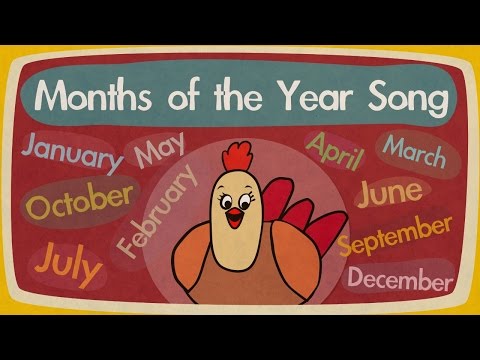
Meses do ano | Canções inglesas para crianças
The Singing Walrus apresenta "Meses do Ano" - uma canção de Inglês para crianças. Venha aprender os meses do ano em Inglês ...
December: Festive Lights and New Hopes
December is the final month of the year, filled with holiday celebrations, winter scenery, and reflections on past achievements. It is named after the Latin word “decem,” meaning ten, as it was once the last month in an older Roman calendar. The month carries themes of closure, generosity, and anticipation for fresh beginnings.
Describing December allows you to use rich vocabulary related to celebrations, weather, and emotions. You can discuss holiday plans, year-end reviews, or cultural customs with greater confidence. Mastering this month completes your journey through the year and strengthens your overall command of time-related language.
By learning each todos os mes em ingles in detail, you not only improve your vocabulary but also deepen your understanding of cultural contexts and seasonal rhythms.
